



Blora Regency Prepares Priority Locations for CDCSUI Project to Conserve Local Rice and Tuber Crops

Blora Regency Prepares Priority Locations for CDCSUI Project to Conserve Local Rice and Tuber Crops
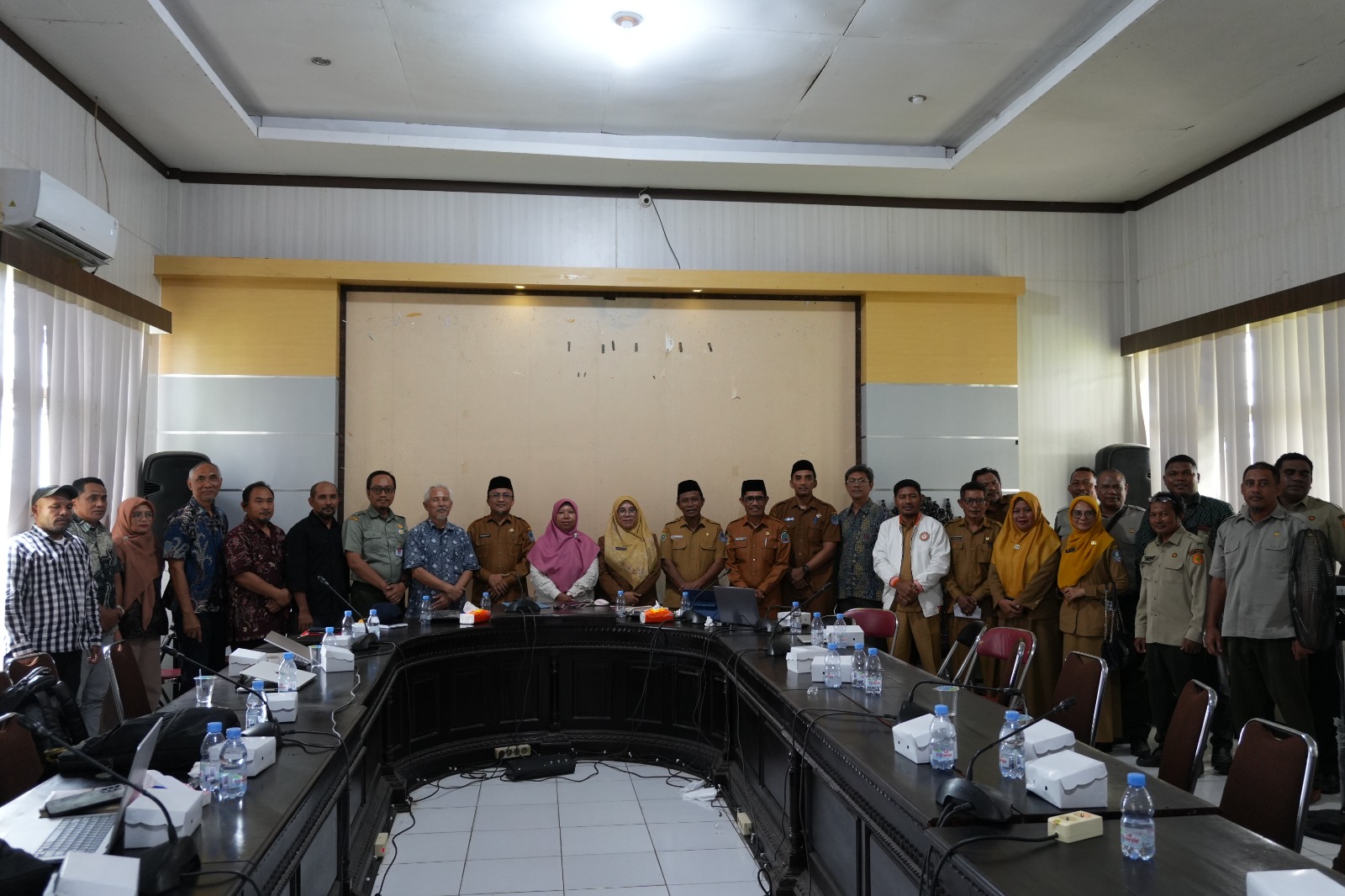
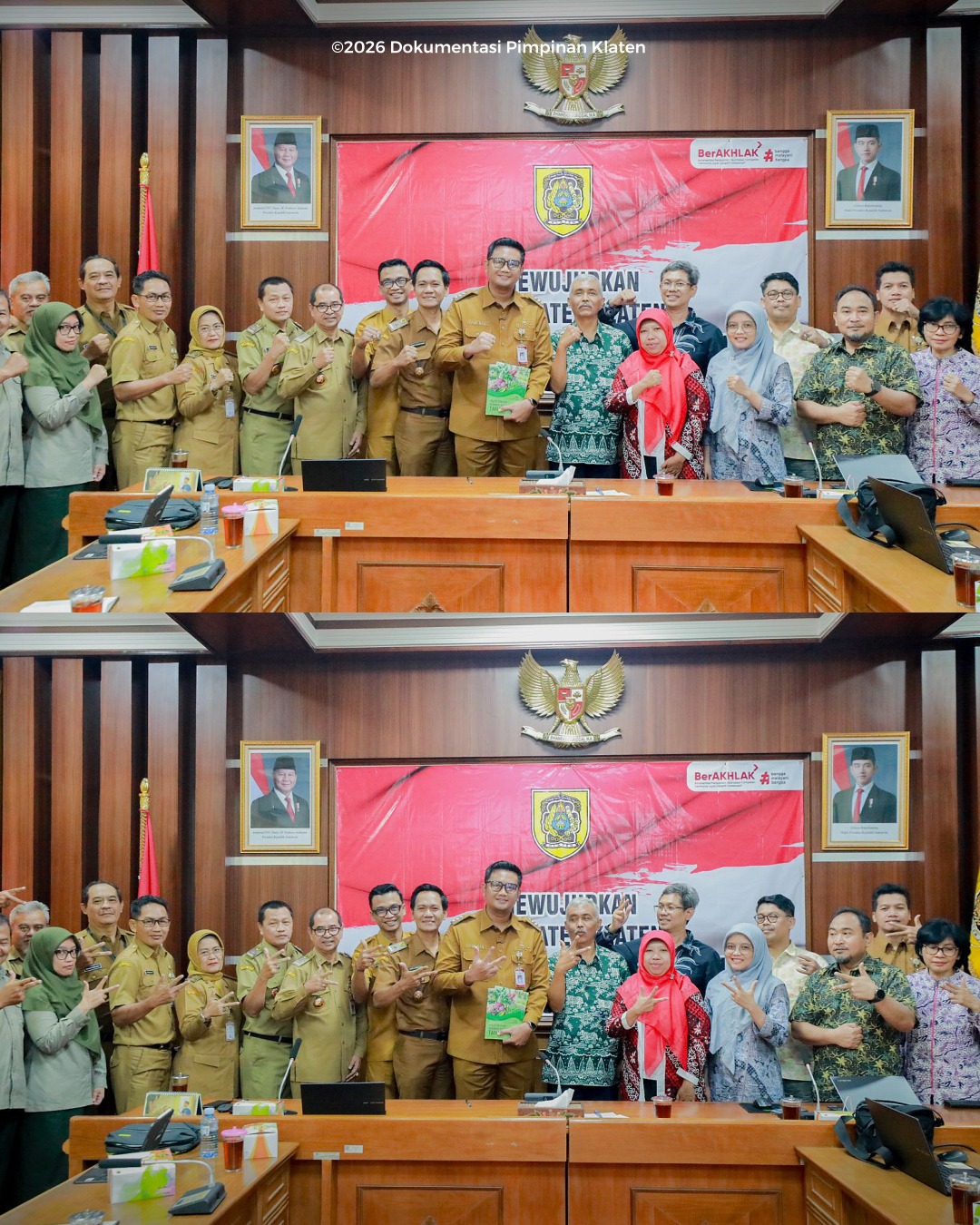
Blora, Central Java – The Government of Blora Regency and the CDCSUI Project team (Conservation and Development of Crop Species and Their Wild Relatives in Indonesia) have initiated efforts to determine priority locations for agricultural genetic resource conservation activities through a consultation forum held on April 30, 2026. The meeting followed a provincial-level consultation forum conducted in Central Java on April 28–29, 2026.
Blora Regency was selected as one of the potential project locations due to its rich agricultural genetic resources. As the sixth-largest rice-producing regency in Central Java Province, Blora covers an area of approximately 1,955.82 square kilometers, nearly half of which consists of Perhutani-managed forest land. In addition to around 45,000 hectares of rice fields, the region possesses significant potential for local tuber crops, including gembili, gadung, ganyong, suweg, porang, and taro.
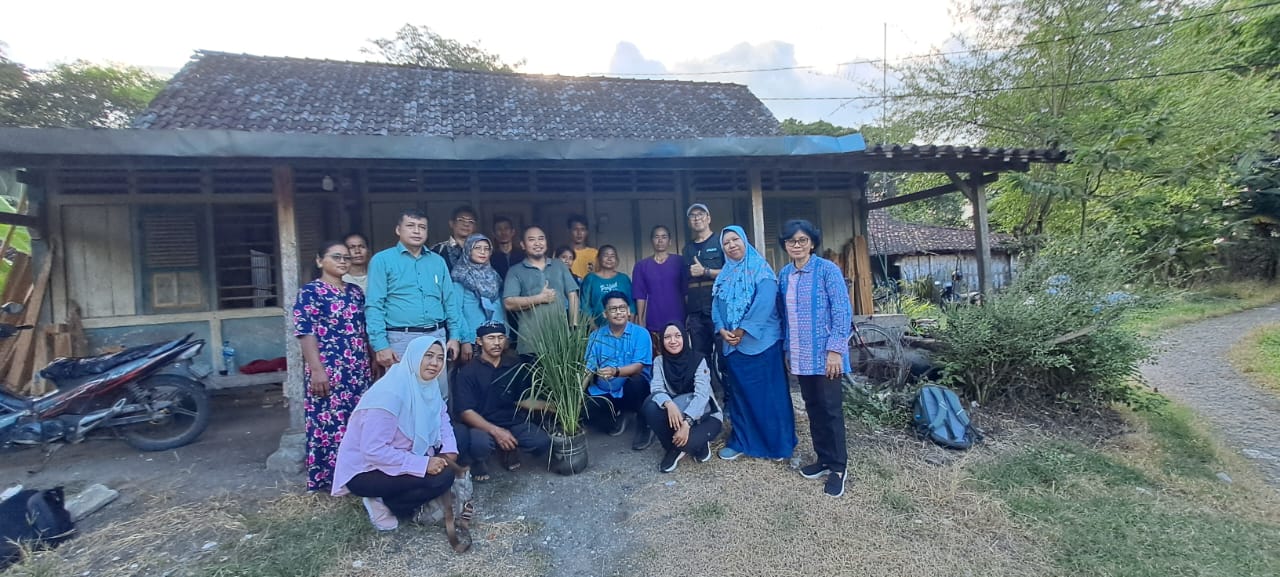
Despite its agricultural importance, local rice cultivation in Blora faces considerable challenges. Many farmers have shifted away from traditional rice varieties due to their longer cultivation period—approximately six months—and lower productivity compared to modern varieties. However, the indigenous Sedulur Sikep community continues to cultivate local rice varieties that have demonstrated resilience to climate change.
Strong Support from the Local Government
The consultation forum was led by Blora Vice Regent Sri Setyorini and attended by representatives from various government agencies responsible for the management and conservation of genetic resources. During the meeting, the Blora Regency Government expressed appreciation for the selection of Blora as a CDCSUI project site and reaffirmed its commitment to supporting the conservation of local rice, taro, and yam species in line with regional development priorities.
Sri Setyorini emphasized the importance of implementing conservation initiatives that are rooted in local wisdom and cultural values. She also highlighted the strategic role of the Sedulur Sikep indigenous community within the project. Consequently, the project is expected to apply the principles of Free, Prior and Informed Consent (FPIC) and develop an Indigenous Peoples Plan (IPP) as part of its implementation requirements.
The Head of the Agriculture, Livestock, and Fisheries Agency of Blora Regency proposed that project locations should be aligned with areas where priority commodities are still actively cultivated. This approach is expected to strengthen community-based conservation efforts and ensure sustainability beyond the project’s duration.
Significant Potential of Local Tuber Crops
The potential of Perhutani’s teak forest areas was also a key topic of discussion. Besides serving as natural habitats for various tuber species, these areas benefit from support provided through Forest Village Community Institutions (LMDH). Several yam varieties remain widely available in Blora, including white yam, yellow yam, and purple yam. However, their economic utilization remains largely limited to local food consumption.
Meanwhile, the Community and Village Empowerment Agency proposed a pilot village approach for project implementation. Under this model, villages with the highest potential would be selected as initial conservation sites for the project's three target commodities: local rice, taro, and yam. Successful models could later be replicated across other villages throughout the regency, which currently consists of 271 villages.
Addressing the Challenge of Farmer Regeneration
The declining interest of younger generations in agriculture emerged as another major concern during the consultation. Local authorities noted that agriculture remains the backbone of the regional economy, yet fewer young people are choosing farming as a profession. Therefore, the CDCSUI Project is expected not only to conserve agricultural genetic resources but also to promote downstream development and value-added processing of local commodities to improve farmers’ livelihoods.
Professor Agung Wibowo from Sebelas Maret University, who attended the consultation as an expert on the Sedulur Sikep community, emphasized that agricultural genetic resource conservation must go hand in hand with the preservation of traditional knowledge and local cultural values. According to him, the community’s philosophy of living in harmony with nature, food self-sufficiency, mutual cooperation, honesty, and collective responsibility provides a strong foundation for sustainable conservation efforts.
Next Steps and Cross-Sectoral Coordination
As a follow-up to the consultation, the Blora Regional Development Planning Agency (BAPPERIDA) has been tasked with coordinating the identification of priority project locations in collaboration with relevant government agencies. The results of this process will serve as the basis for subsequent technical discussions to ensure that selected locations meet project criteria and offer the highest potential for success and future replication.
The consultation outcomes were formally followed by an official proposal submitted by the Regent of Blora to BRMP Biogen, acting as the National Project Coordinator (NPC) for the CDCSUI Project, on May 8, 2026. In addition, a Cross-Sectoral Coordination Forum was established and chaired by the Head of BAPPERIDA to serve as the project’s regional implementation partner.