



Klaten Regency Identifies Priority Locations for CDCSUI Project to Strengthen Conservation of Local Rice and Tuber Crops

Klaten Regency Identifies Priority Locations for CDCSUI Project to Strengthen Conservation of Local Rice and Tuber Crops
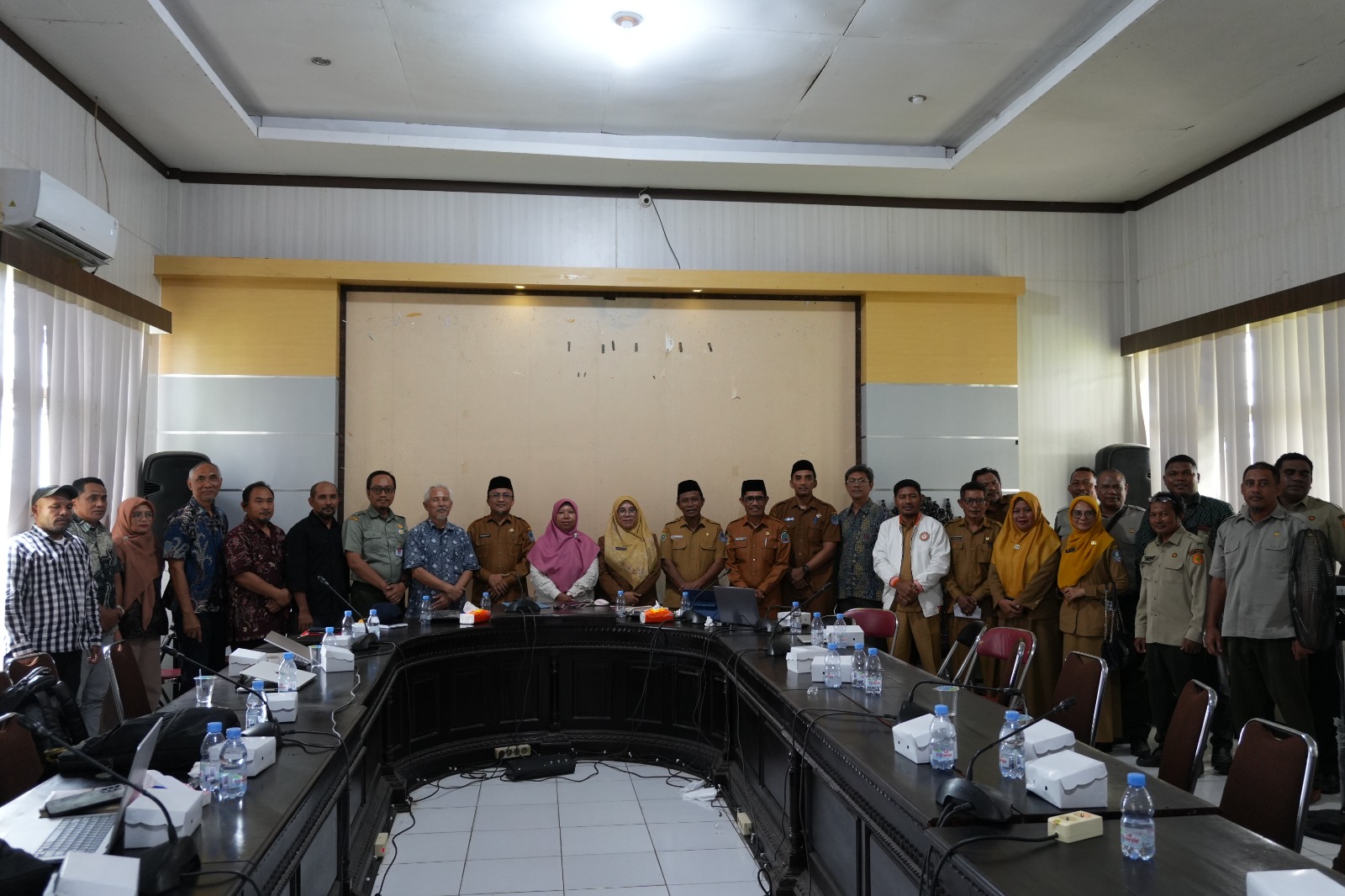
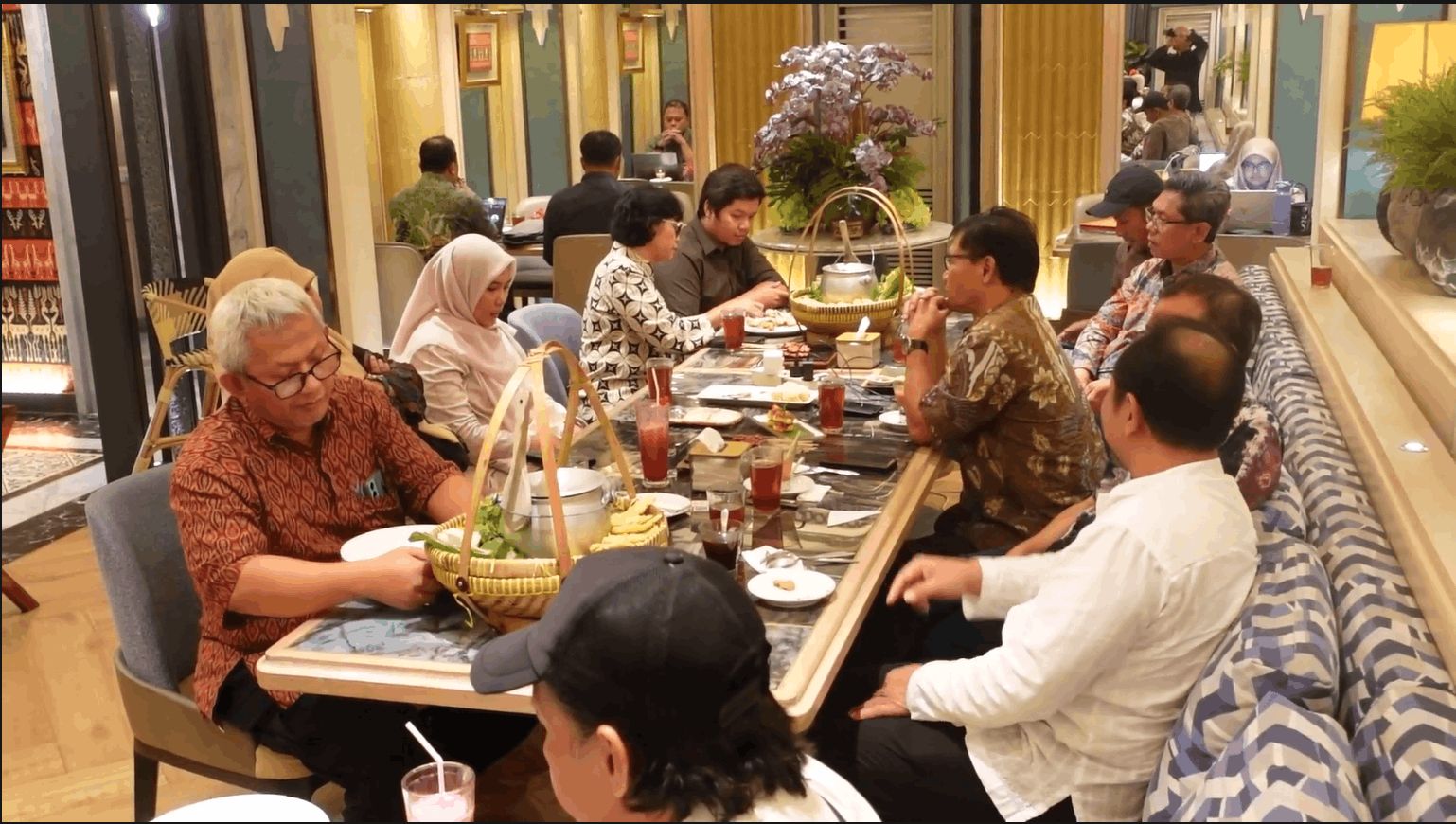
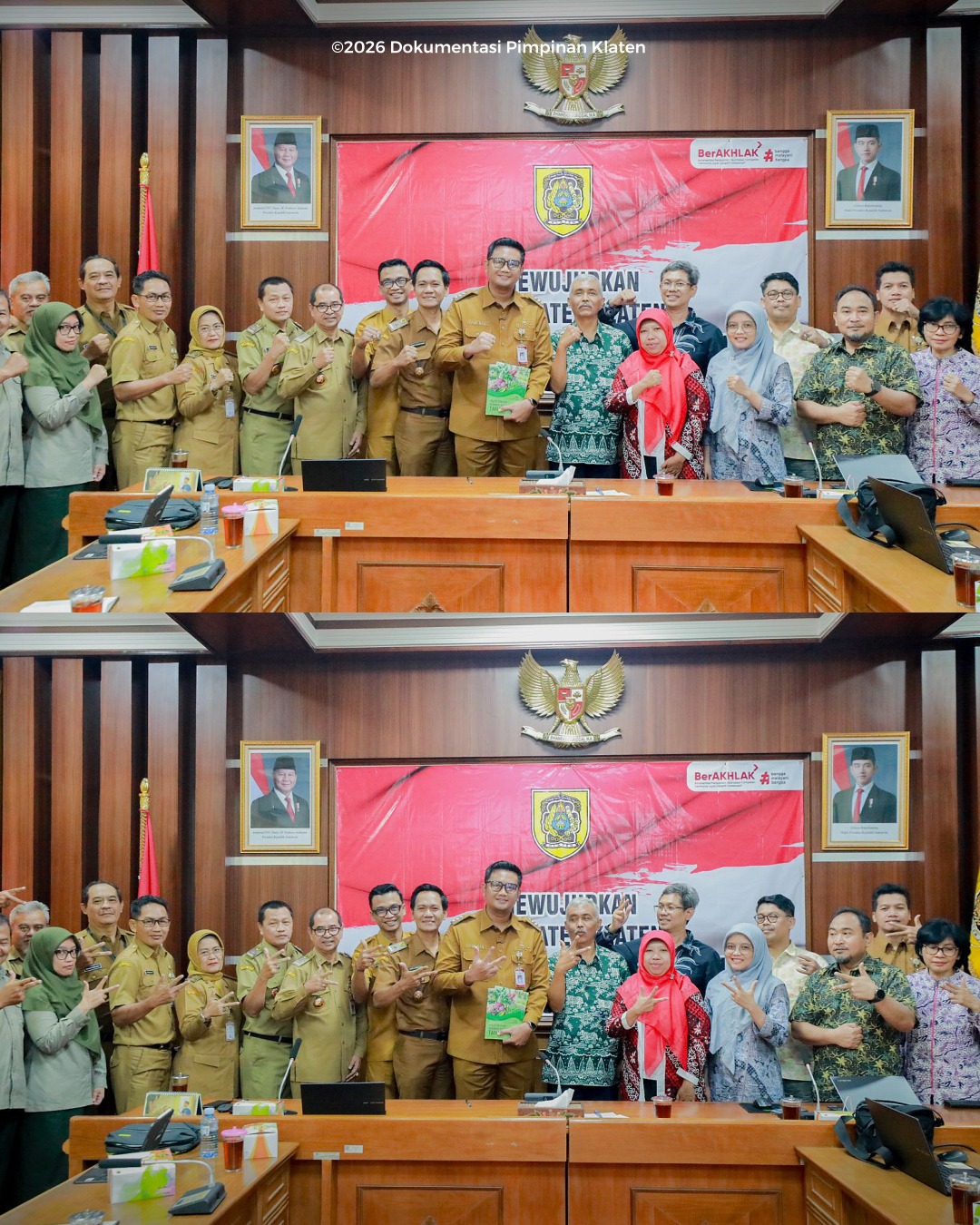
Klaten, Central Java – The CDCSUI Project (Conservation and Development of Crop Species and Their Wild Relatives in Indonesia) conducted a consultation meeting with the Government of Klaten Regency on May 4, 2026, to discuss priority locations for project implementation. The consultation was chaired directly by Klaten Regent Hamenang Wajar Ismoyo and attended by representatives from various government agencies and institutions.
Klaten Regency plays a strategic role in Indonesia’s food production system as one of the country’s major rice-producing regions. Covering approximately 70,152 hectares across 26 sub-districts and 401 villages, the regency has around 29,670 hectares of irrigated rice fields that produce a wide range of high-yield rice varieties. However, cultivation of traditional local rice varieties has significantly declined in recent years.
During the consultation, the local government highlighted ongoing efforts to establish Sustainable Food Agricultural Land (LP2B) through a Regent’s Decree and future regional regulations. This initiative is considered essential amid increasing pressures from land-use conversion, population growth, industrial expansion, and spatial planning challenges.
Agriculture and Food Self-Sufficiency as Development Priorities
The regional development agenda for 2026 focuses on strengthening the agricultural and tourism sectors as part of the “Klaten Mapan” vision, which emphasizes food self-sufficiency and sustainable economic growth. Regent Hamenang Wajar Ismoyo emphasized that while development offers opportunities for economic expansion, it also poses risks to agricultural land and local food systems.
He welcomed the implementation of the CDCSUI Project and encouraged an approach that goes beyond short-term project objectives. According to the Regent, conservation initiatives should contribute directly to community welfare, create added value for local food commodities, and support tourism and local economic development based on indigenous resources.
Conserving the Original Rojolele Rice Variety
The Head of the Regional Development Planning Agency (BAPPERIDA) explained that local food diversification has become a key priority under the Regency Medium-Term Development Plan (RPJMD) 2025–2029. This creates significant opportunities for collaboration with the CDCSUI Project, particularly in conserving local rice varieties, taro, and yam species that remain important agricultural resources in Klaten.
One of the primary conservation targets is the original Rojolele rice variety, a traditional rice cultivar that has long been associated with Klaten. Although improved derivative varieties such as Rojolele Srinuk and Rojolele Srinar have been successfully developed with shorter growing periods of approximately 115 days and improved resistance to pests and extreme weather, the original Rojolele variety still requires conservation efforts to prevent genetic erosion and possible extinction.
According to the Head of the Food Security and Agriculture Agency, cultivation of original Rojolele rice has declined because its growing cycle can reach up to 155 days. As a result, many farmers have shifted to improved varieties developed by the Agro Techno Park (ATP) Technical Implementation Unit in collaboration with Indonesia’s National Nuclear Energy Agency (BATAN). To support market demand, the local government has introduced an affirmative procurement policy requiring civil servants to purchase locally produced rice, generating demand of approximately 90 tons per month.
Potential Conservation Sites for Taro and Yam
Conservation of original Rojolele rice seeds is currently being carried out on a limited scale by the Agro Techno Park (ATP) and a small number of farmers who continue cultivating the variety. These stakeholders are expected to become important partners in future CDCSUI activities.
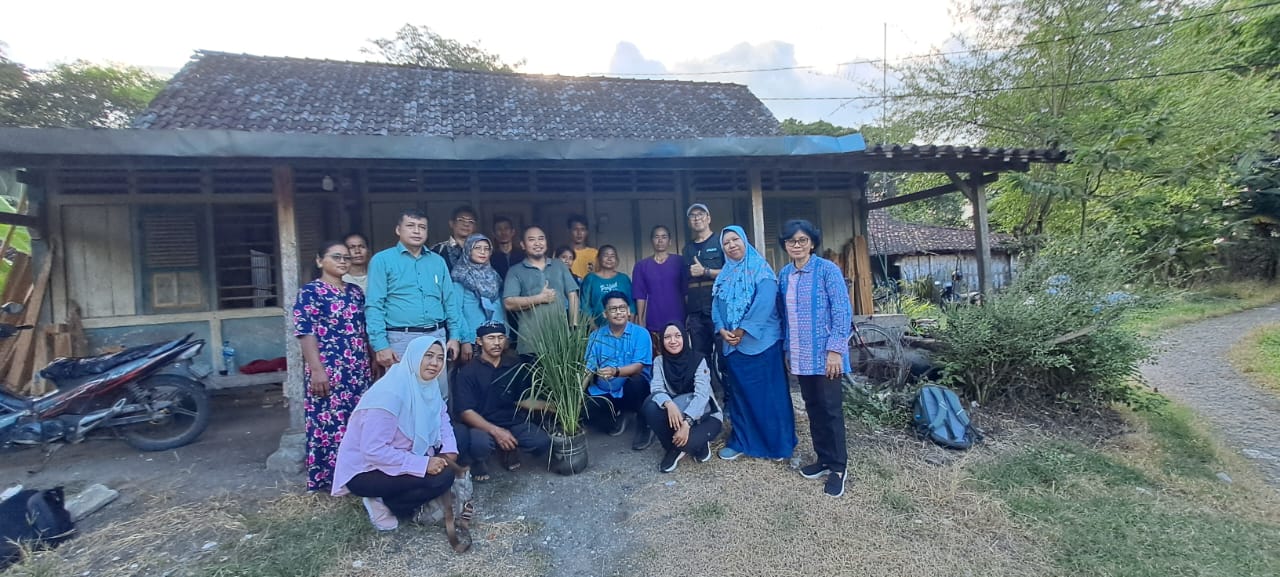
For tuber crops, several areas within Klaten Regency have been identified as having significant potential for conservation and development. Kemalang Sub-district, Polanharjo Sub-district, and communities located along the slopes of Mount Merapi are recognized for their continued cultivation of taro and yam varieties and are considered strong candidates for project implementation.
The Head of the Community and Village Empowerment Agency noted that the CDCSUI Project aligns closely with local food security priorities. Beginning in 2026, villages are required to allocate at least 30 percent of village funds to food security programs, an increase from 20 percent in 2025. These funds are managed through Village-Owned Enterprises (BUMDes) and provide opportunities to support conservation and sustainable agricultural development.
Preserving Agricultural Biodiversity and Traditional Knowledge
The consultation also involved Professor Taryono from the Faculty of Agriculture at Gadjah Mada University, who provided insights into the potential of local rice and tuber crop varieties in Klaten. He explained that taro and yam were widely cultivated long before the Green Revolution shifted agricultural production toward intensive rice farming.
Today, hilly regions with cooler climates and reliable irrigation systems, particularly around Mount Merapi and the border areas with Gunungkidul, continue to serve as important reservoirs of local tuber diversity. These areas offer strong potential for in-situ conservation activities under the CDCSUI Project.
Discussions also focused on strengthening policy frameworks and institutional support mechanisms, including alignment with Indonesia’s Farmer Protection and Empowerment Law and relevant local regulations. Participants emphasized the importance of involving local farmers and custodians of traditional crop varieties in conservation planning and implementation.
Next Steps for Project Implementation
As a follow-up to the consultation, the Klaten Regency Government will conduct internal discussions to finalize proposed activities and priority locations for conservation efforts focusing on local rice, taro, and yam. These discussions will involve relevant government agencies and the Agro Techno Park (ATP), which has been proposed as the site for a Local Genetic Resource Collection Garden and community seed bank.
Potential villages and communities for taro and yam conservation will also be evaluated to identify the most suitable locations for long-term project sustainability. The selected sites are expected to serve as pilot locations that can later be replicated throughout the regency.
As the final outcome of the consultation process, the Regent of Klaten formally submitted a proposal to the Head of BRMP Biogen, acting as the National Project Coordinator (NPC) of the CDCSUI Project, on May 13, 2026. The proposal outlines priority conservation activities and recommended pilot locations for local rice, taro, and yam conservation within Klaten Regency.
Photo Courtesy: Humas Kabupaten Klaten