



CDCSUI PROJECT CONSULTATION WITH THE CENTRAL JAVA TWG AND STAKEHOLDERS FOR THE DETERMINATION OF ACTIVITY SITES IN BLORA, KLATEN, AND MAGELANG

CDCSUI PROJECT CONSULTATION WITH THE CENTRAL JAVA TWG AND STAKEHOLDERS FOR THE DETERMINATION OF ACTIVITY SITES IN BLORA, KLATEN, AND MAGELANG
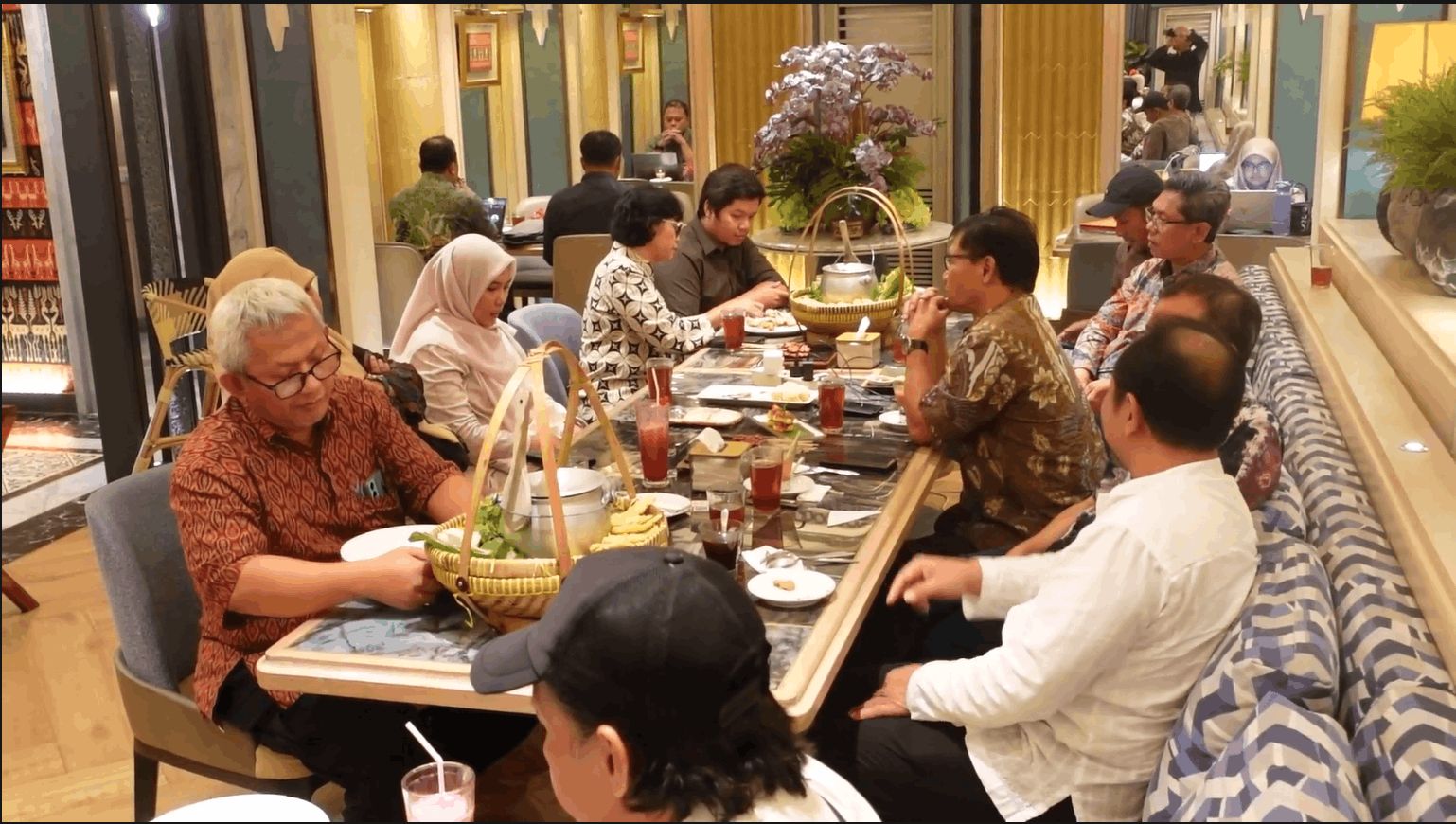
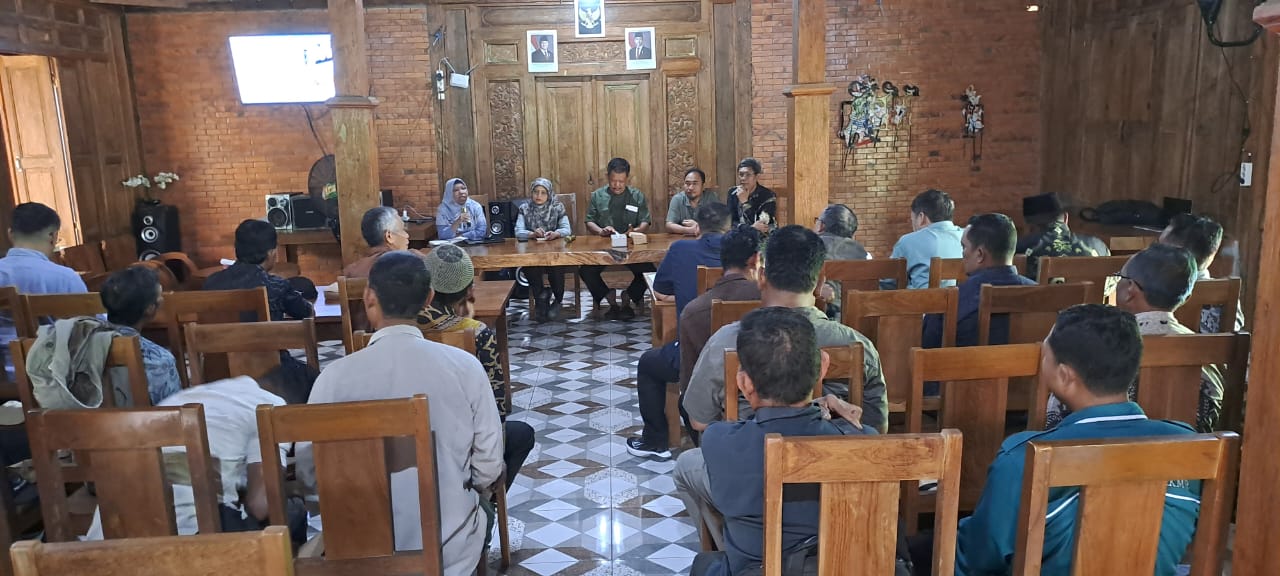
As part of the initial implementation of the Crop Diversity Conservation for Sustainable Use in Indonesia (CDCSUI) Project, funded by the 7th Global Environment Facility (GEF-7), the Center for Agricultural Biotechnology and Genetic Resources Assembly and Modernization (BRMP Biogen) conducted a consultation meeting with local governments to determine project locations. The event was held at Hotel Wujil, Semarang Regency, on 28–29 April 2026. The consultation involved the Provincial Government of Central Java and three districts—Blora, Magelang, and Klaten—which have been designated as CDCSUI project locations. The event was designed using a Community of Practices (CoP) forum approach.
The consultation brought together the FAO Assistant Representative, speakers from central government institutions (BAPPENAS and the Ministry of Forestry), provincial government agencies of Central Java, members of the CDCSUI Project Technical Working Group (TWG), as well as academics and experts from universities including Gadjah Mada University (UGM), Sebelas Maret University (UNS), Diponegoro University (UNDIP), and Tidar University of Magelang.
In his opening remarks, Dr. Atekan, Head of BRMP Biogen, stated that the CDCSUI Project is an FAO-supported initiative implemented by the Ministry of Agriculture, with BRMP Biogen serving as the executing institution. The project will be implemented in eight districts across three provinces: Central Kalimantan, North Maluku, and Central Java. He emphasized that the project is highly important because it focuses on the conservation of genetic resources, which are valuable components of Indonesia’s biodiversity. However, public awareness and understanding of the importance of protecting these genetic resources remain relatively low. The project focuses on conserving five key food and plantation crop commodities: taro, yam, local rice, nutmeg, and clove.
Dr. Ageng S. Herianto, FAO Assistant Representative, also highlighted the importance of conserving biodiversity, particularly the five local food and plantation crop commodities. These crops are valuable economic resources and have demonstrated resilience to climate change, yet they are increasingly less cultivated by farmers. In this context, FAO serves as a bridge between GEF and the Ministry of Agriculture while aligning project activities with national genetic resource conservation policies, including those formulated by BAPPENAS.
Knowledge Exchange on Genetic Resource Conservation
On the first day, the Community of Practices forum served as a platform for knowledge exchange regarding national and regional policies on genetic resource conservation. The Director of Agriculture and Food at BAPPENAS emphasized the importance of conserving genetic resources, noting Indonesia's extraordinary biodiversity wealth that must be protected and sustainably utilized for future generations. Plant breeding was highlighted as a crucial tool for generating value-added innovations, such as developing crop varieties tailored to consumer preferences and enhancing nutritional quality.
Central Java possesses significant potential in local food crop varieties, particularly taro, yam, and local rice, including within the three CDCSUI target districts of Blora, Klaten, and Magelang. Wild relatives of taro and yam are also abundant in the Mount Merapi and Mount Merbabu National Parks. In Blora District, where much of the land is managed by the state forestry company Perhutani, taro and yam thrive beneath teak tree stands. Local communities commonly practice an agroforestry intercropping system between teak plantations, a traditional farming practice known as “Budena Jati”.
The Potential of Yam and Local Rice Varieties
During discussions on CDCSUI commodities, researchers from Gadjah Mada University explained that Indonesia's yam diversity is exceptionally rich, with approximately 600 identified types. Yam contains simple carbohydrates that provide longer-lasting satiety, high dietary fiber, essential minerals, and bioactive compounds. Purple yam varieties offer additional health benefits, including blood sugar regulation, antioxidant properties, and anti-inflammatory effects.
Beyond its role as a food source, some yam species also have medicinal potential, although not all varieties are suitable for direct consumption. Yam habitats in Central Java vary considerably: in Magelang, they are found near mountainous areas; in Klaten, within rice fields and dryland farms; and in Blora, across forested and dryland ecosystems.
A rice expert from BRMP Biogen emphasized that rice is not only a food commodity but also an integral part of culture and community life—“Rice as Life and Culture.” Technological advancements in irrigated rice have progressed more rapidly and are more easily adopted than those for swamp rice and upland rice, which still rely heavily on local varieties. Indonesian Law No. 32 of 2024 underscores the importance of genetic resource management, covering genetic materials, genetic data and information, and traditional knowledge.
The utilization of genetic resources is essential for increasing national food production, but it can also contribute to genetic erosion, particularly when improved varieties are widely adopted at the expense of biodiversity. Therefore, genetic resource conservation remains fundamental to plant breeding programs through both in situ conservation (within natural habitats) and ex situ conservation (outside natural habitats). Rice germplasm includes local varieties, breeding lines that have not yet been adopted, promising advanced lines, wild relatives, and weedy rice species.
Identification of Potential Project Sites
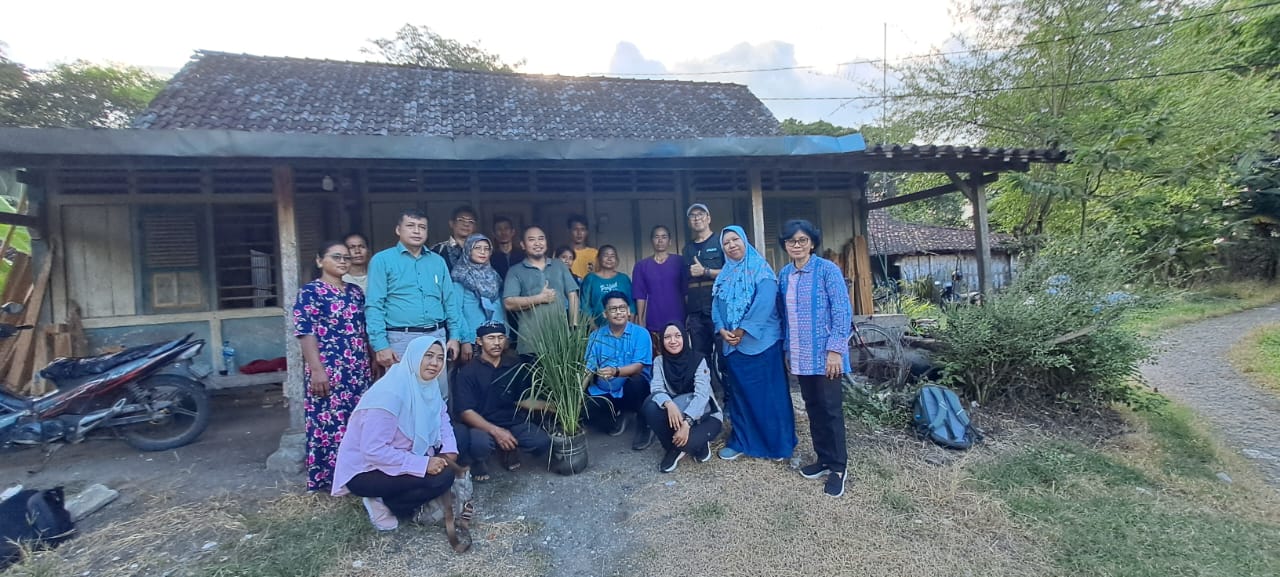
On the second day, discussions focused specifically on identifying project implementation sites. The CDCSUI Project team presented the results of a baseline survey conducted in 2025 and invited representatives from regional development planning agencies (BAPPEDA/BAPPERIDA) and district agricultural offices from Blora, Klaten, and Magelang to identify hotspot locations for taro, yam, and local rice. Through discussions of the survey findings and local government assessments, potential sites for project activities were identified.
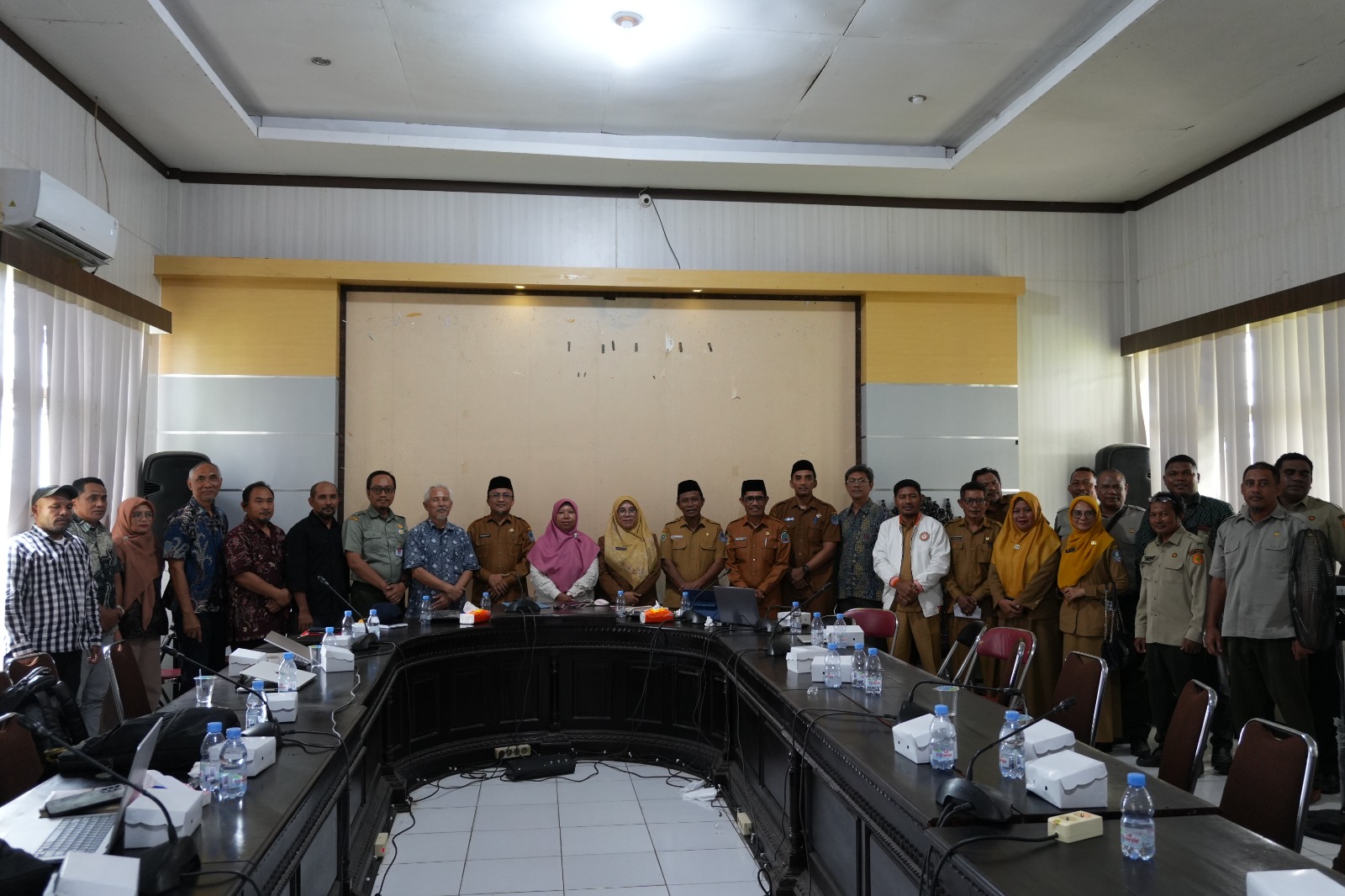
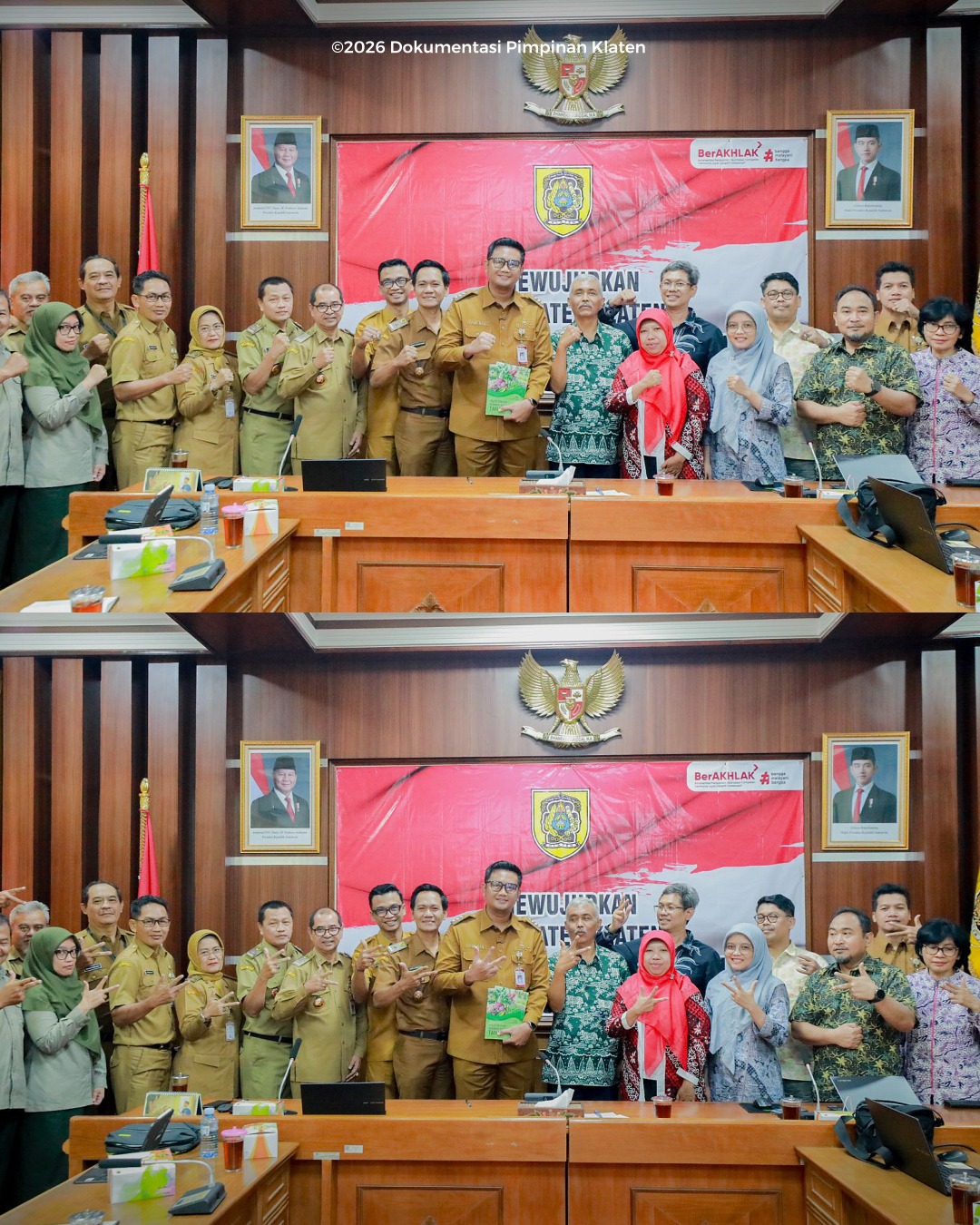
As a follow-up to the provincial-level consultation held on 28–29 April 2026, the CDCSUI Project team continued targeted consultations with the governments of Blora, Klaten, and Magelang districts. The intensive two-day Community of Practices forum served as an important entry point for enhancing the knowledge and awareness of regional policymakers regarding the conservation of local food crop commodities.